Get 5% Off and Free Delivery on Pre-payment.

Stitching Tips for Khaddar: What to Tell Your Tailor

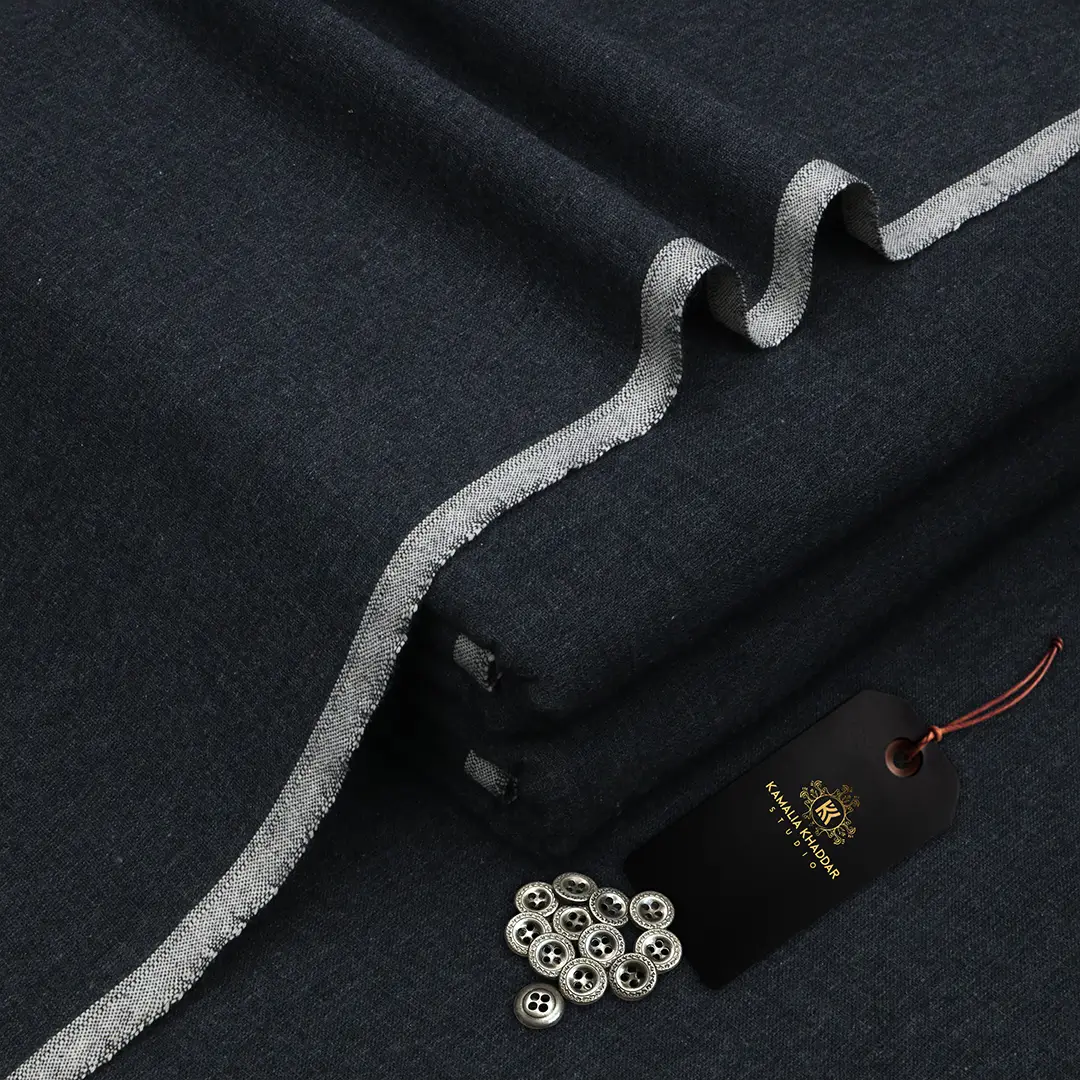
You can buy the best khaddar in Pakistan, but if it is stitched badly, it will never look right. A tight collar, short sleeves or a stiff fit can ruin even a beautiful handmade fabric. Khaddar is a little different from thin lawn or wash and wear, and a good tailor treats it differently. This guide gives you clear stitching tips for khaddar and tells you exactly what to say to your tailor, so your next suit fits and looks perfect.
Why Khaddar Needs Special Attention
Khaddar is a cotton fabric with real body. Winter khaddar, especially Goli khaddar, is thick and firm. It does not drape like thin fabric, it can shrink a little on the first wash, and it creases in a natural way. A tailor who understands this will plan the fit, seams and design to suit the fabric. A tailor who treats it like thin cloth may make a suit that feels tight or looks bulky.
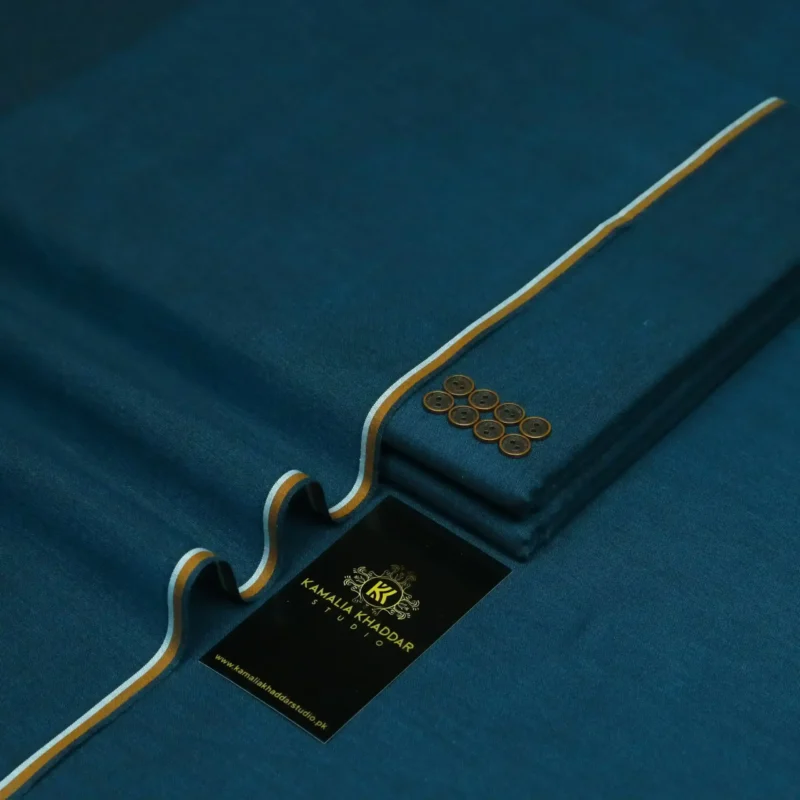
Step 1: Wash Before You Stitch
This is the most important tip. Cotton khaddar may shrink slightly on its first wash. If you stitch first and wash later, the suit may become a little shorter or tighter. Soak the fabric in cold water for about 20 minutes, squeeze it gently, dry it in the shade and iron it before giving it to your tailor. Read our full guide on how to wash khaddar for details.
Step 2: Tell Your Tailor the Fabric Type
Say clearly whether it is summer khaddar, soft winter khaddar, Goli khaddar or handmade khaddar. This helps him choose the right needle, thread and seam allowance, and plan the fit.
- Summer khaddar: light and easy to stitch in most designs.
- Soft winter khaddar: medium weight, works well with most designs.
- Goli khaddar: thick and firm. Needs a relaxed fit and simple design.
- Handmade khaddar: treat gently, keep the design clean to show the texture.
Step 3: Give Fresh Measurements
Do not rely on old measurements from years ago. Let your tailor measure you again, standing straight and relaxed. The key measurements for a shalwar kameez are:
- Neck
- Shoulder width
- Chest
- Waist
- Hip
- Kameez length
- Sleeve length
- Cuff or wrist size
- Shalwar length
- Shalwar width at the bottom (pancha)
Step 4: Ask for the Right Fit
For winter khaddar, ask for a slightly relaxed fit, with a little extra room in the chest and sleeves. This lets you wear an inner layer and stops the thick fabric from feeling stiff. For summer khaddar, a relaxed fit also helps air move and keeps you cool. If you prefer a modern look, ask for semi fitted, but avoid very tight cuts in khaddar.
Step 5: Bring a Sample
The easiest way to get the fit you want is to bring an old suit that fits you well. Your tailor can copy its measurements and design. If you want a new design, bring a clear photo.
Step 6: Decide the Design Details
Before cutting, confirm every detail so there are no surprises.
- Collar: shirt collar, band collar or sherwani style.
- Placket: hidden or open, full or half.
- Buttons: wooden, fabric covered, metal or matching plastic.
- Cuffs: plain, button cuffs or French cuffs for cufflinks.
- Pockets: chest pocket, side pockets, or both.
- Kameez length and hem: long or medium, straight or curved.
- Shalwar style: wide, medium or slim.
For ideas, see our guide to khaddar shalwar kameez designs for men.
Collar Tips for Khaddar
The collar is where poor stitching shows most. Ask your tailor to use a proper interlining in the collar so it stays firm and does not curl after washing. For thick Goli khaddar, a lighter interlining is enough because the fabric already has body. For a band collar, make sure it sits comfortably around the neck with a finger’s space.
Seam and Thread Tips
- Ask for strong cotton or polyester thread that matches the fabric color.
- For thick khaddar, ask for wider seam allowances so the seams do not pull apart.
- Ask your tailor to finish the inside edges neatly so they do not fray after washing.
- Double stitching at stress points like the underarm and side slits adds strength.
Special Tips for Goli Khaddar
Goli khaddar is heavy, so simple designs look best. Choose a plain collar, straight cut and simple cuffs. Avoid many pleats, heavy embroidery or thick piping, which make the suit look bulky. Ask for a relaxed fit, and make sure the shalwar is not too wide, as wide panels of thick fabric can feel heavy. Learn more in our guide on what hard khaddar is.
Special Tips for Handmade Khaddar
Handmade khaddar may have small natural changes in the weave. A good tailor will place the pattern pieces carefully so the most even parts are on the front and collar. Ask him to handle the fabric gently and avoid heavy pressing with a very hot iron.
Tips for Wedding Suits
For wedding suits, ask for a trial fitting before the final finish. Choose French cuffs if you plan to wear cufflinks. Give your tailor at least two to four weeks in wedding season, because tailors are very busy from November to February.
Finding a Good Tailor for Khaddar
Not every tailor is equally good with khaddar. Ask friends and family who wear khaddar regularly which tailor they trust. Look at suits the tailor has made before, especially the collars and cuffs, which show skill clearly. A good tailor will ask you questions about the fabric, the fit and the design instead of rushing to cut. He will also give you a clear delivery date and stick to it. Once you find a tailor who understands khaddar, stay with him. He will learn your body and your style, and every suit will be better than the last.
What to Check When You Collect Your Suit
- Try it on at the shop if possible.
- Check the collar sits flat and comfortably.
- Check the shoulders sit at your natural shoulder line.
- Raise your arms to check the sleeves and underarm feel free.
- Sit down to check the kameez and shalwar are comfortable.
- Check the stitching inside for loose threads.
Small changes are easy to fix while you are still at the shop.
Ask for the Leftover Fabric
Always ask your tailor to return any leftover pieces. They are very useful for future repairs, such as fixing a torn pocket or replacing a collar.
Final Words
Good stitching brings out the best in khaddar. Wash the fabric first, tell your tailor the fabric type, ask for a relaxed fit, and confirm every detail before cutting. With these simple steps, your khaddar suit will look sharp and feel comfortable for years. Every suit in our Winter Collection is 7 meters of fabric, enough for a full shalwar kameez, with free delivery all over Pakistan.
Frequently Asked Questions
Should I wash khaddar before stitching?
Yes. Cotton khaddar can shrink slightly on the first wash, so washing first keeps the final fit correct.
What fit is best for khaddar?
A slightly relaxed fit is best, especially for thick winter khaddar, so the suit feels comfortable and allows an inner layer.
What design suits Goli khaddar?
Simple designs with a plain collar, straight cut and simple cuffs suit Goli khaddar best.
How long does a tailor take in wedding season?
Tailors are very busy from November to February, so allow at least two to four weeks.
Why should I keep leftover fabric?
Leftover pieces are useful for future repairs like fixing a pocket or replacing a collar.